The Best Insecticide for Plants in 2026: Organic vs. Chemical Solutions
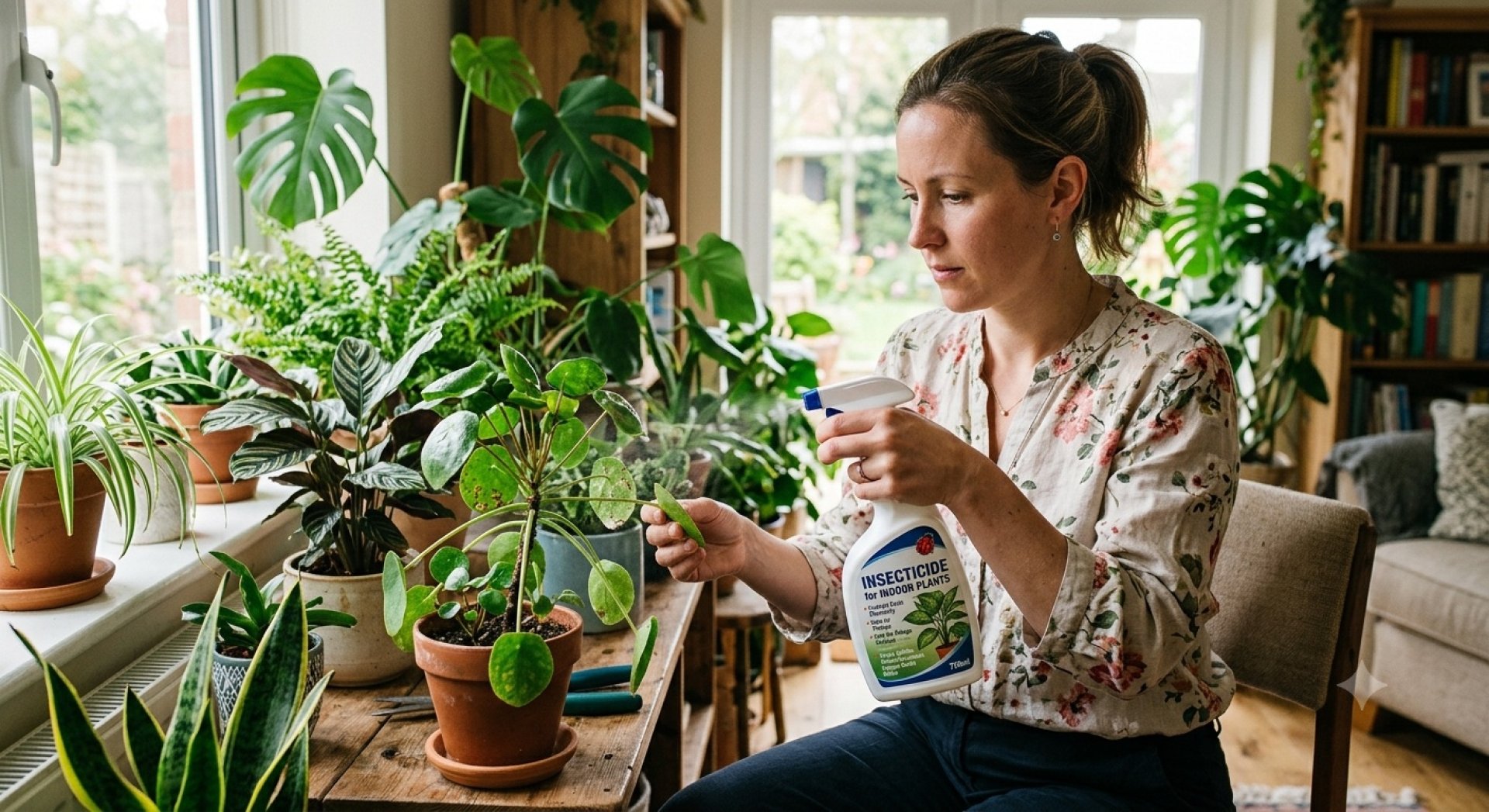
A plant that looked fine yesterday can change fast. Today its leaves may curl, show holes, or leave sticky spots. Some plants turn yellow. Others grow slowly or stop growing.
Often, bugs are the reason. Aphids, whiteflies, thrips, caterpillars, mites, and other pests can spread quickly. That is why you need to act early. Pest control cannot wait.
In 2026, insecticide choice is more than “pick the strongest one.” People are weighing several points at the same time. They look at what pest they are dealing with. They also think about how to apply the product. Effects on the environment matter. Crop safety matters too. Long-term control plans also get attention.
So what is the Best Insecticide for Plants? There is no single choice that fits every case. The right option depends on the pest, how bad the problem is, and the plan you use to manage pests overall. Organic products and chemical products can both help, but they are not the same. Choose with care.
Before You Spray: Identify the Real Enemy
Treating all insect problems the same way is one of the major mistakes that people make in pest control.
Each kind of an insect is different in terms of its harmfulness to plants. There are even several species of bugs that play a vital role in ecosystems through the process of pollination or by eating the other damaging pests. The act of sprinkling an insecticide upon a plant without ascertaining the exact cause of the trouble may actually cause harm to the harmless organisms that are not the cause of damage to your plants.
Better to find the real culprit and not the first one you find. Therefore, the following signs can help identify whether an insect is the source of the trouble:
- Presence of insect pests on the underside of leaves
- Chewed/Perforated Leaves
- Honeydew or Sticky Deposits
- Silk or Webbing
- Abnormal Development of Leaf
- Caterpillars, eggs, or larvae
- Sudden plant growth arrest
Correct recognition enables deciding the need for an insecticide and what kind of treatment would be suitable.
Organic Solutions: A Nature-Based Protection
There is a growing trend for plant protection that focuses on organic or botanical insecticides, which are basically derived from natural substances. One example of these is a preparation with neem, or botanical extract, or a particular biological product that can fit well into a broader pest control program.
Different people find different advantages in organic plant protection. For instance, some botanical insecticides degrade quite quickly, whereas the other biological preparations can be pest-specific. However, it is also important to remember that "natural" does not always imply "safe." In fact, improper usage of "natural" products can result in phytotoxicity, as in the case of non-target organisms.
Timing is an integral factor for any organic method to work well. When pest populations are still at a low level, a pest control measure might have a good effect, but the same pest control applied after a major pest invasion of the crop might give quite different results.
Organic solutions can be helpful in the situation where pest control should be integrated with other methods:
- Picking off the affected plant's parts
- Physical barrier or trap deployment
- Beneficial insect creation
- Plant Health Enhancement
- Garden Cleanliness Improvement
By the way, this way of doing things is the spirit of Integrated Pest Management or IPM, which refers to the use of various pest control measures without reliance on chemical pesticides only.
Chemical Solutions: When Precision Matters
The use of chemical insecticides will continue to play a vital part in plant and crop protection. One main benefit is that the right choice of products can offer targeted effective pest control, in particular when pest populations have reached damaging levels.
On the other side, selecting a chemical insecticide should in no way mean going for the strongest available product without factoring in the pest.
Varying kinds of insecticides may have varying modes of action. Some will disrupt the insects' nervous system, while others may act on other aspects of their biology, such as development, feeding or even growth. Consequently, the right product choice and appropriate timing of application become key factors.
Therefore, a good insecticide for the plant is basically determined from these considerations:
- The kind of pest: First off, you should identify which insect or pest species you are dealing with.
- The plant or crop: Be sure you get an insecticide suitable for your plant or crop.
- Level of infestation: Catching the pest in the early stages may just be enough to stop the problem from escalating.
- Mode of action: It could assist the strategy of resistance management to switch over suitable modes of action.
- How to use the product: Read the label instructions carefully. Do not forget the dosage, timing of application and all safety measures.
- Non-target Impact: Bear in mind the possible harm to useful insects and the surrounding environment.
The use of pesticides only after proper identification of pests has been stressed as part of IPM recommendations besides their prudent use.
A Decision Flowchart to Identify Your Option
Rather than only inquiring, "Which insecticide has the highest potency?" ask for, for instance, the following:
Have you been successful in identifying the pest?
If not, the first step should be pest identification rather than straight going to the treatment.
Can you see the pest causing the plant damage?
Quite often just some insects will not justify a chemical action.
Would your situation be solvable through mechanical or natural means?
Yes, then you can make those options a part of your pest management plan.
Do you still need pest control if none of those works?
Should the pest problem still pose a threat to the plant or crop, you can choose the right Insecticide for Plants.
Do you confirm that the product is labelled for use on the plant or crop?
You may want to look at the label and use the product according to its recommendations.
The Bottom Line: Choose a Strategy, Not Just a Product
Start the work in 2026 by figuring out the pest first. Do not rush to pick organic or chemical options before you know what you are dealing with.
You can use organic and biological tools as part of a plan for safer pest control. At the same time, chemical insecticides can still help when the right product is chosen and used the right way. Often the best result comes from a combined method. This means using steps like prevention, watching pest levels, using biological or botanical options, and adding insecticides only when they are truly needed.
If you want crop protection that is based on science, Dhanuka Agritech may be a good fit. The company offers a wide range of plant protection products. It also puts weight on research, new ideas, and tools meant for farmers. Its efforts across chemical, botanical, microbial, and other plant care solutions match the shift toward more joined-up farming practices.
Healthy plants do not come from spraying more insecticide. They come from finding the real issue, selecting the right response, using it with care, and pairing it with better pest management habits.
Also Read: 10 Best Natural & Organic Insecticides for Houseplants and Garden